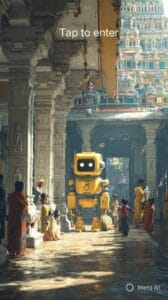




Technology is changing the world at an incredible pace. Artificial intelligence, robots, and smart machines are becoming part of our daily lives. At the same time, faith continues to guide millions of people by offering hope, compassion, and purpose. This raises an interesting question: Can technology and faith coexist?
This documentary explores how innovation and spirituality can complement each other. Rather than replacing human beliefs, technology can become a tool that supports learning, preserves traditions, and helps people connect with knowledge in new ways. Throughout history, every major invention has changed society, and today’s advances in artificial intelligence are opening new possibilities while also encouraging thoughtful discussions about ethics, responsibility, and human values.
Technology and Faith Through History
Technology and faith have often developed side by side throughout human history. From the invention of writing that preserved sacred scriptures to the printing press that made religious books widely available, technological progress has helped people learn, share, and protect spiritual traditions.
In the modern world, digital technology allows millions of people to access devotional music, sacred texts, educational documentaries, and spiritual discussions from anywhere. Mobile apps, websites, and online communities help people stay connected with their faith regardless of distance.
While technology provides powerful tools, faith continues to guide people in making ethical decisions. Values such as compassion, honesty, kindness, and respect cannot be created by machines alone. They are learned through human experience, culture, and spiritual teachings.
Instead of viewing technology and faith as opposites, many people believe they can work together. Technology can support education, preserve cultural heritage, and make spiritual knowledge more accessible while faith helps people use technology wisely and responsibly.
Section 3: Can Artificial Intelligence Understand Spiritual Values?
Artificial intelligence can analyze information, recognize patterns, and answer questions based on the data it has learned. However, AI does not possess personal beliefs, emotions, or spiritual experiences. It can explain religious concepts, translate sacred texts, or help organize information, but it does not practice faith in the human sense.
This distinction is important. AI is a tool created by people, and its value depends on how it is used. When guided by ethical principles and human responsibility, technology can support learning and understanding without replacing personal faith or spiritual reflection.
Section 4: Robots in Spiritual Stories
Robots are increasingly appearing in books, films, documentaries, and educational content. In spiritual storytelling, they are often portrayed as helpers that preserve ancient knowledge, guide visitors through historical sites, or assist with learning. These stories encourage readers to think about the relationship between human intelligence, artificial intelligence, and moral responsibility.
Imagine a robot working in a museum, explaining the history of temples, ancient architecture, and cultural traditions to visitors from around the world. While the robot can present accurate information, it is the human visitor who reflects on the deeper meaning, inspiration, and personal faith behind the stories. This illustrates how technology can support learning while spiritual understanding remains a personal experience.
Section 5: Benefits and Challenges
Technology offers many benefits when used responsibly. Artificial intelligence can translate sacred texts into different languages, improve accessibility for people with disabilities, preserve historical records, and help students explore world religions and cultures through interactive learning.
However, there are also challenges. Information generated by technology should always be reviewed carefully for accuracy. People should continue to use critical thinking, consult trusted sources, and respect the traditions and beliefs of different communities. Technology is most valuable when it supports education and understanding rather than replacing human wisdom, compassion, or ethical judgment.
Section 6: The Future of Technology and Faith
The future will likely bring even closer cooperation between technology and education. Artificial intelligence may help preserve ancient manuscripts, create virtual museum experiences, translate historical documents, and make educational resources available to more people.
Faith, however, will continue to be shaped by personal belief, community, culture, and lived experience. Technology can make knowledge easier to access, but values such as kindness, empathy, forgiveness, and hope are developed through human relationships and reflection.
By combining innovation with responsibility, society can use technology to preserve cultural heritage, encourage learning, and promote understanding while respecting the diversity of spiritual traditions.
Frequently Asked Questions (FAQ)
1. Can technology and faith exist together?
Yes. Many people believe technology and faith can complement each other. Technology provides tools for learning and communication, while faith offers ethical guidance, purpose, and compassion.
2. Can artificial intelligence have religious beliefs?
No. Artificial intelligence can process information and explain religious concepts, but it does not have personal beliefs, emotions, or spiritual experiences.
3. How is AI used in spiritual education?
AI can help translate sacred texts, organize educational content, preserve historical records, and make spiritual learning more accessible through websites, apps, and interactive tools.
4. Will robots replace religious leaders?
No. Robots and AI can assist with education and information, but spiritual guidance, personal counseling, and faith remain deeply human experiences.
5. Why is it important to use technology responsibly?
Responsible use of technology helps ensure that information is accurate, respectful, and beneficial. Ethical values such as honesty, kindness, and compassion remain essential when developing and using AI systems.
Conclusion
Technology and faith do not have to compete. Instead, they can work together to educate, preserve history, and connect people with knowledge from around the world. Artificial intelligence and robots are valuable tools when used responsibly, but human wisdom, compassion, and spiritual reflection remain irreplaceable.
As technology continues to evolve, the most important question is not whether machines can believe, but how people choose to use technology to build a more informed, ethical, and compassionate world. By combining innovation with timeless values, we can create a future where technology supports learning while faith continues to inspire hope, peace, and understanding.
Learn more about advances in artificial intelligence from organizations such as OpenAI or other trusted educational resources.
Music Melody World – Peaceful Music for All
Why Devotional Stories Are Important for Children in the Digital Age